Let's shape our board!
The board structure is known and the candidates have applied (cfr. infra).
This means we are in the last phase (2B) of the board selection process, which is the voting phase!
The board will be approved if we reach over 50 responses (over half of the current 100 in the mailing list) and if at least 45 (> 90%) are "Yes" or "Yes, with suggestions".
Cast your vote in this Google Forms!
Deadline: 18/09/2026 at 23:59 CET
Executive Board Candidates
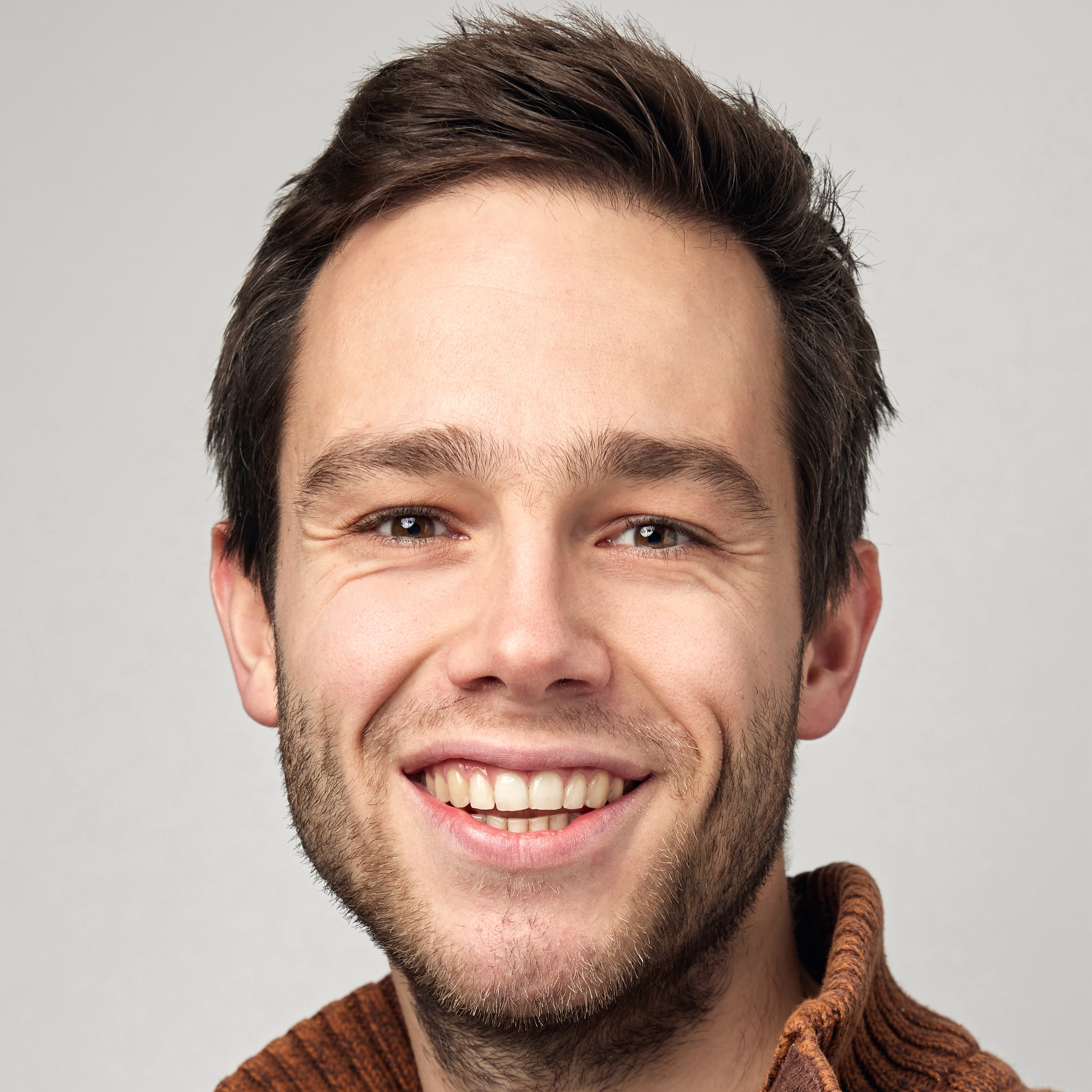
Stijn Denissen
Chair
Motivation Statement
As a neurological physiotherapist who spent his PhD crafting AI tools to better understand multiple sclerosis, I am painfully aware of the limitations that block true AI impact. The lack of interdisciplinary discussion led me to organize a brainstorm in Barcelona on the sidelines of ECTRIMS 2025. The creative and bottom-up energy from this event forged iAIMS, which is now a globally reputed concept acknowledged by ECTRIMS. By appointing me chair, I will formally lead iAIMS to pioneering AI literacy and tools for the good of people with MS. Loss functions against loss of function!
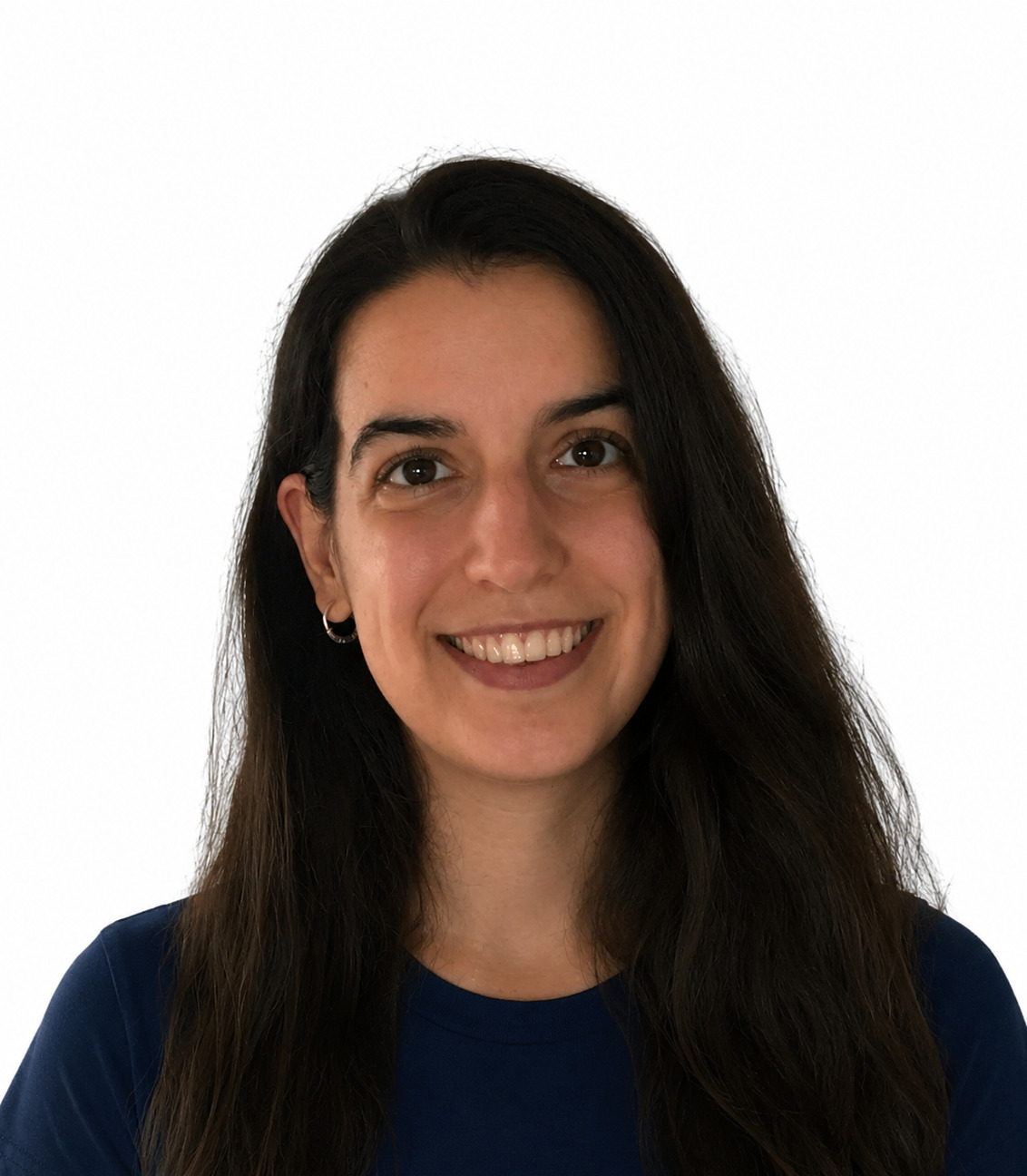
Mar Barrantes Cepas
Chair-elect
Motivation Statement
As someone working at the intersection of physics, neuroimaging, and MS, I have a strong interest in seeing the iAIMS community develop shared standards, promote interdisciplinary exchange, and translate methodological advances into clinical impact for people with MS. Being a chair-elect would let me help shape the community direction, connect researchers across groups and career stages, and make sure the community stays practical and outcome-focused. I have also served in other communities, which has given me experience in organizing and sustaining collaborative groups over time, as well as question assumptions and stress-test ideas to keep such a young community rigorous as it grows.
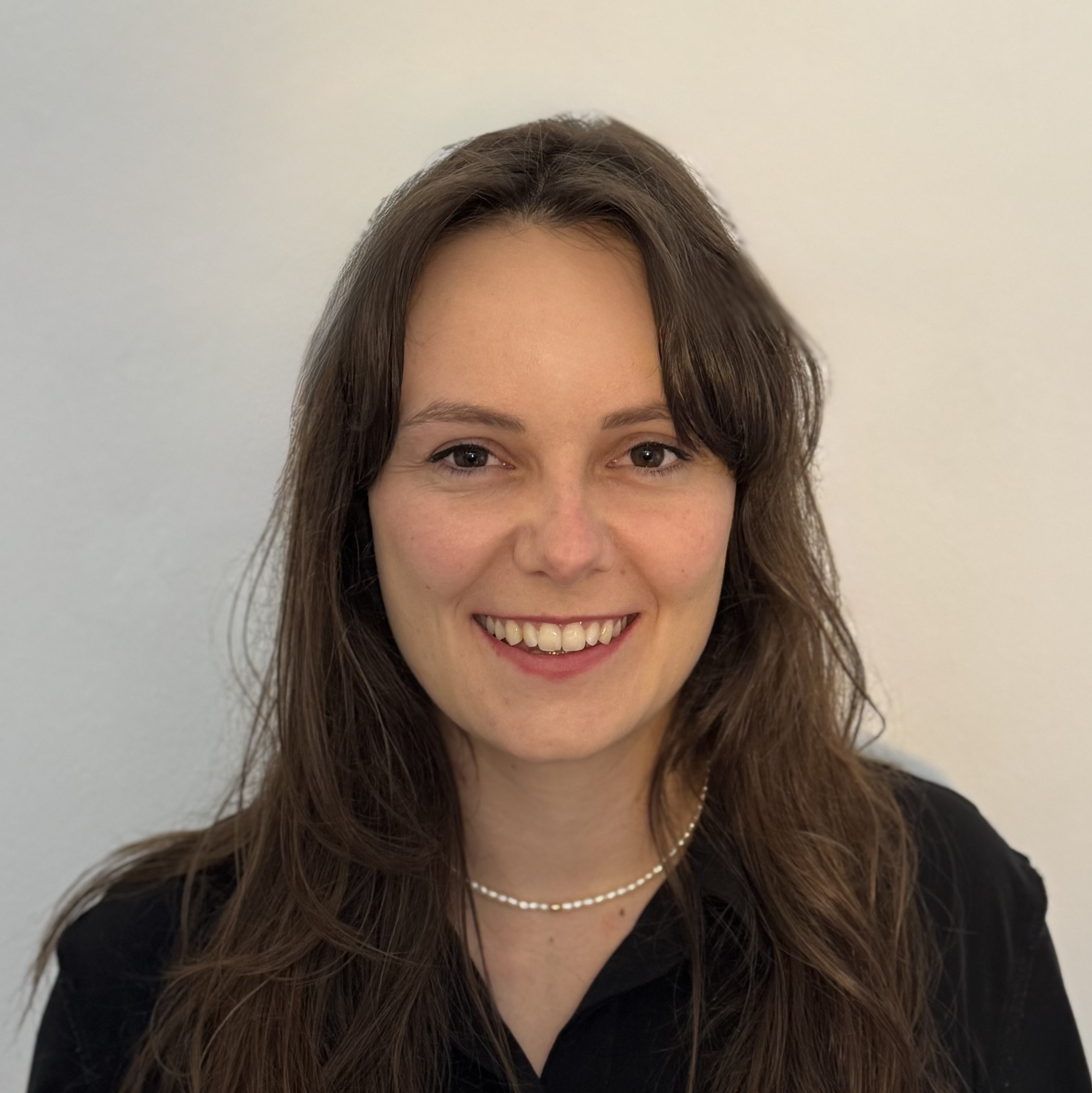
Birgit Helmlinger
Secretary
Motivation Statement
I would be happy to take on the role of Secretary for the iAIMS Board. I enjoy bringing efficient structure to collaborative work and creating workflows that make tasks clear and accessible for everyone involved. In the labs I have worked in, I often prepared workflows and pipelines for operations that need to be performed by multiple people, with the aim of making processes easy to follow and reproducible. I would enjoy bringing this approach to organizing meetings, following up on action points, and maintaining shared information and communication. I see the Secretary role as an opportunity to support the Board behind the scenes, helping to maintain structure and focus while contributing to a well-functioning team.
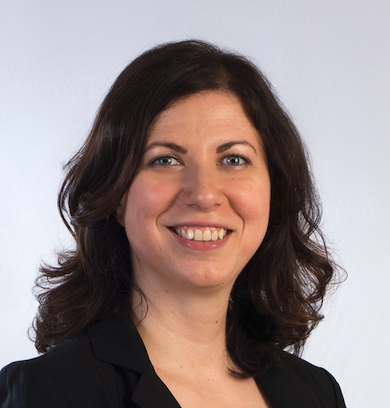
Maria Petracca
DEI Officer
Motivation Statement
I strongly believe that ensuring diversification and inclusion is fundamental to profit from unique perspectives and shape the success of any meaningful endeavor. Adequate representation and valorization of diverse backgrounds and experiences is especially valuable in new and evolving organizations, providing a model of positive and enriching interactions while favoring creativity and problem solving.
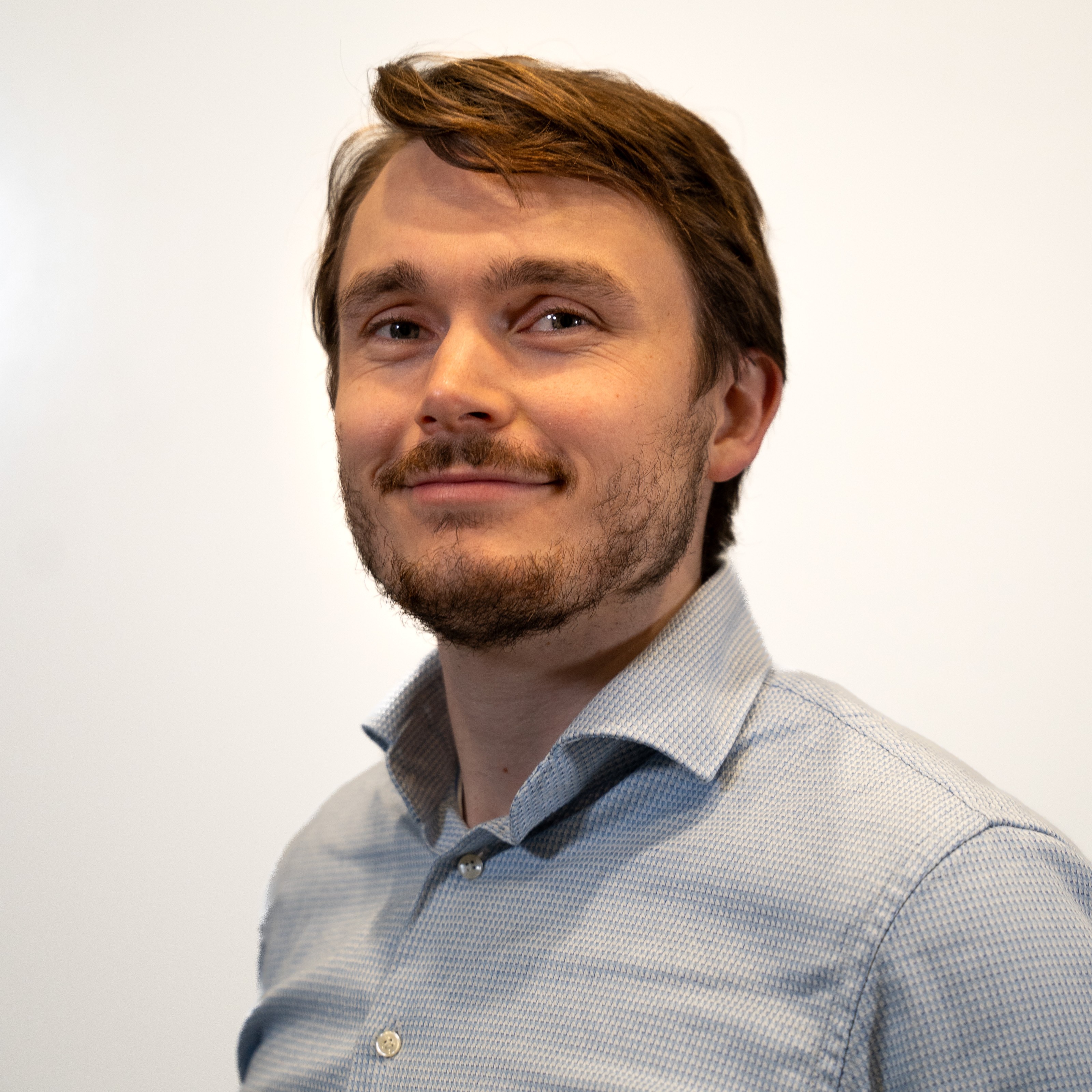
Tommy Broeders
Treasurer & Funding Officer
Motivation Statement
I am a clinical neuroscientist driven by the potential of computational approaches and AI to meaningfully advance care for people with MS. This motivates me to serve as Treasurer and Funding Officer at a moment when iAIMS is beginning to show real impact. I am eager to build on our momentum by strengthening the group’s financial backbone through strategic industry partnerships and well‑coordinated community‑driven funding efforts. With our first milestones achieved, I’m excited to help secure and steward the resources that will support innovative projects and reinforce the collaborative spirit that defines iAIMS as a community.
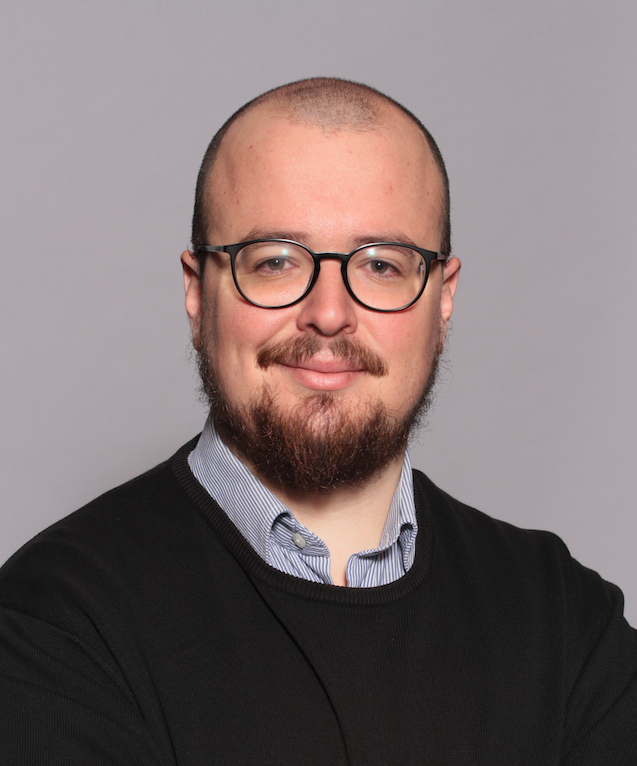
Sirio Cocozza
Treasurer & Funding Officer-elect
Motivation Statement
I am excited to apply for the Treasurer and Funding Officer-Elect position, as it combines my interest in the field with the opportunity to contribute concretely to the committee’s growth and impact. I am organized, reliable, and comfortable taking responsibility for tasks that require accuracy, transparency, and forward planning. I would bring a proactive approach to managing resources, identifying funding opportunities, and ensuring that available funds are used effectively to support meaningful initiatives. Most importantly, I see this role as an opportunity to actively contribute to the committee while developing strong financial, organizational, and leadership skills.
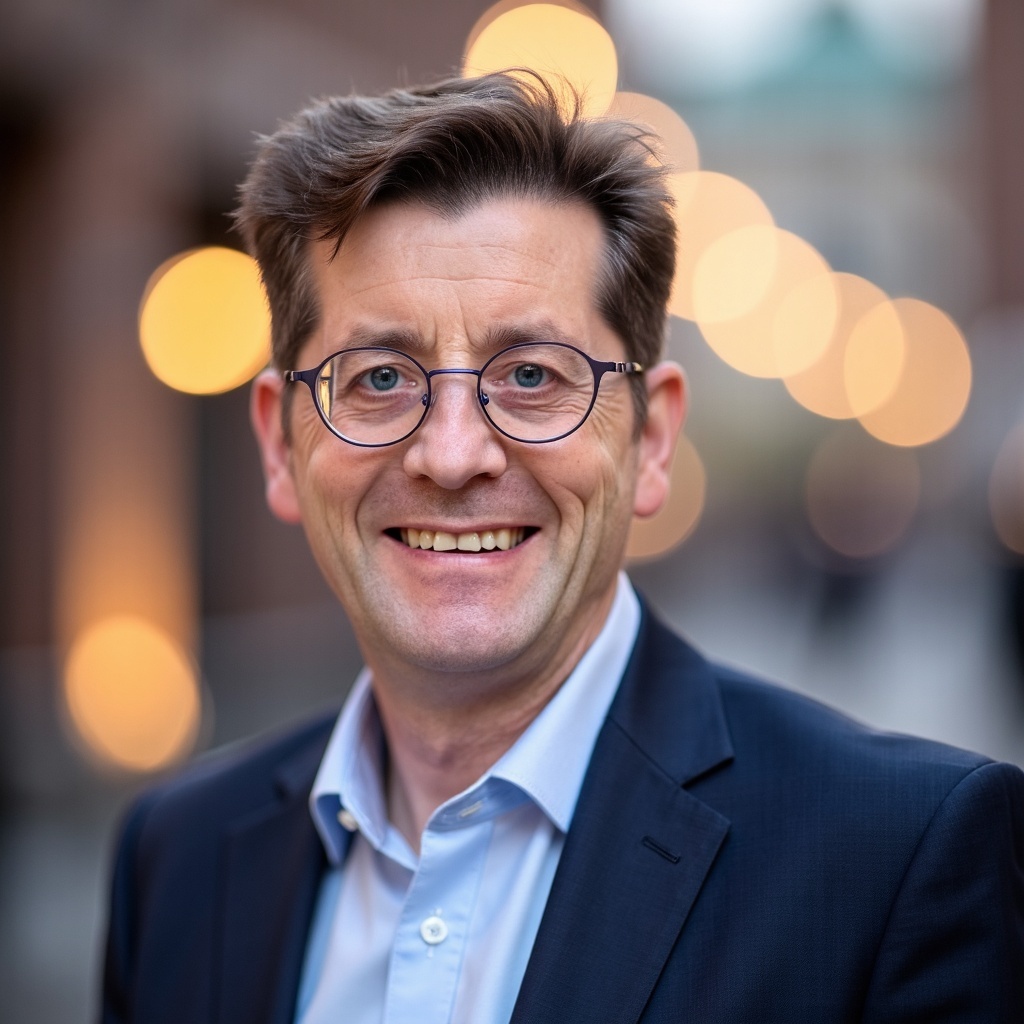
Dominic Shadbolt
Communications Officer
Motivation Statement
After a long conversation with Stijn we have concluded that this is the role where I can add the most value. Our vision and values seem to align and at this conceptual stage I feel it would be rash to go into imagined details!
Working Groups Candidates
Seyed Mohammad Mahdi Khadem
Coding Lead
Motivation Statement
As a medical doctor and AI researcher, I build clinical AI in the open: Python machine-learning pipelines for surgical decision support, a RAG clinical question-answering system, and computer vision for laparoscopic surgery, documented on GitHub and in peer-reviewed publications. I also maintain my own website and automate workflows with n8n and Claude Code. Within iAIMS I already serve on the journal club organizational committee. As Coding Lead I would keep all iAIMS coding activities clean, transparent and in tune with open science principles: clear documentation, reviewed pull requests, reproducible examples, and a website members can rely on.
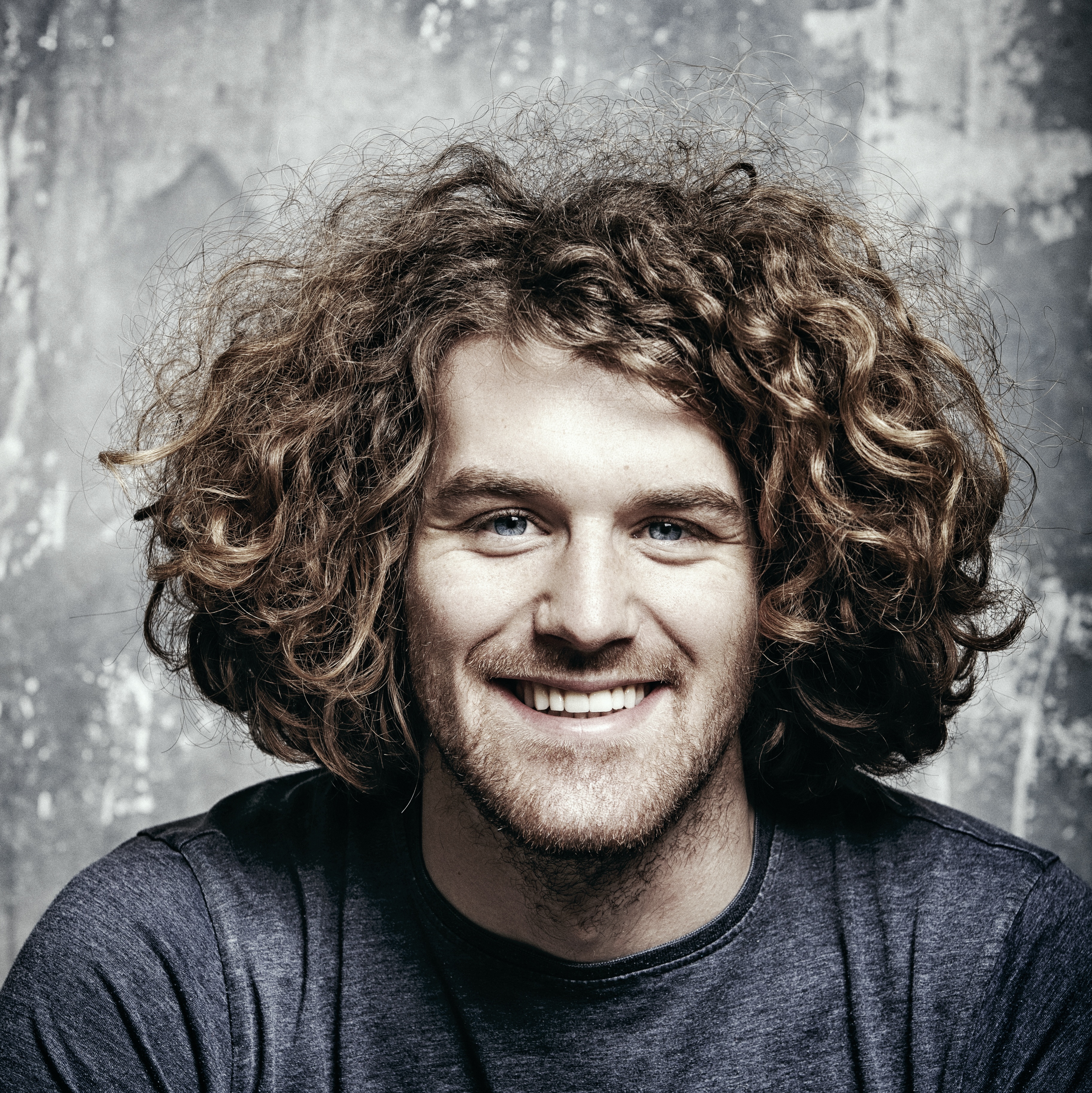
Matěj Kudrna
Coding Working Group Member
Motivation Statement
I'm applying as a member because I want to strengthen my teamwork skills while contributing to iAIMS's coding standards and open science practices. I'm eager to learn from other developers and help maintain clean, accessible code.
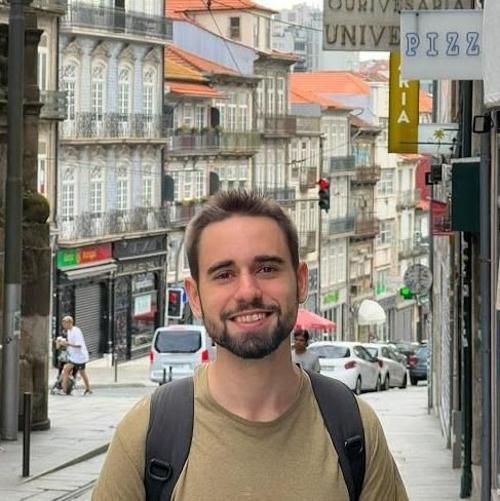
Vicent Caselles Ballester
Coding Working Group member
Motivation Statement
I've been developing medical image processing methods since 2022, mainly in the context of image registration and image segmentation, for MRI (MS lesion segmentation) as well as X-ray based images. My experience has been mainly devoted to Python and R (for statistical analysis and plotting). My web dev knowledge is limited, although I am passionate in continuous learning and do it fast.
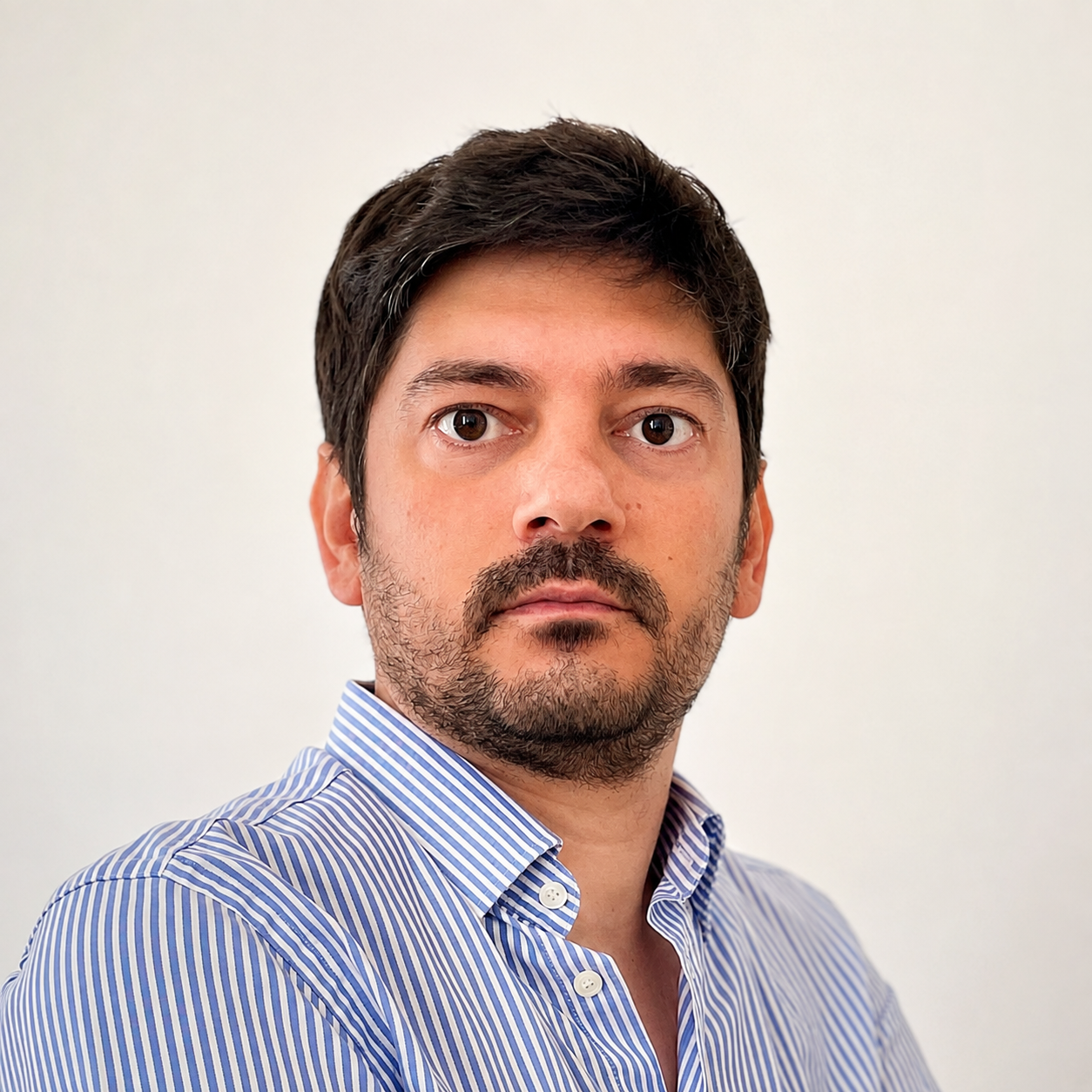
Giuseppe Pontillo
Educational Lead
Motivation Statement
AI is poised to transform MS research and clinical management. This requires training a new generation of clinicians and researchers who are proficient in medical AI and understand its potential and limitations. As a clinician-scientist specializing in Neuroradiology, with a PhD in Digital Medicine, I have witnessed firsthand the growing impact of AI on clinical practice while closely following the technological advances driving its rapid evolution. This dual perspective gives me a unique understanding of both the opportunities and challenges that AI presents to the MS community, positioning me well to identify educational needs and contribute to high-impact learning initiatives.
Advisory Board Candidates
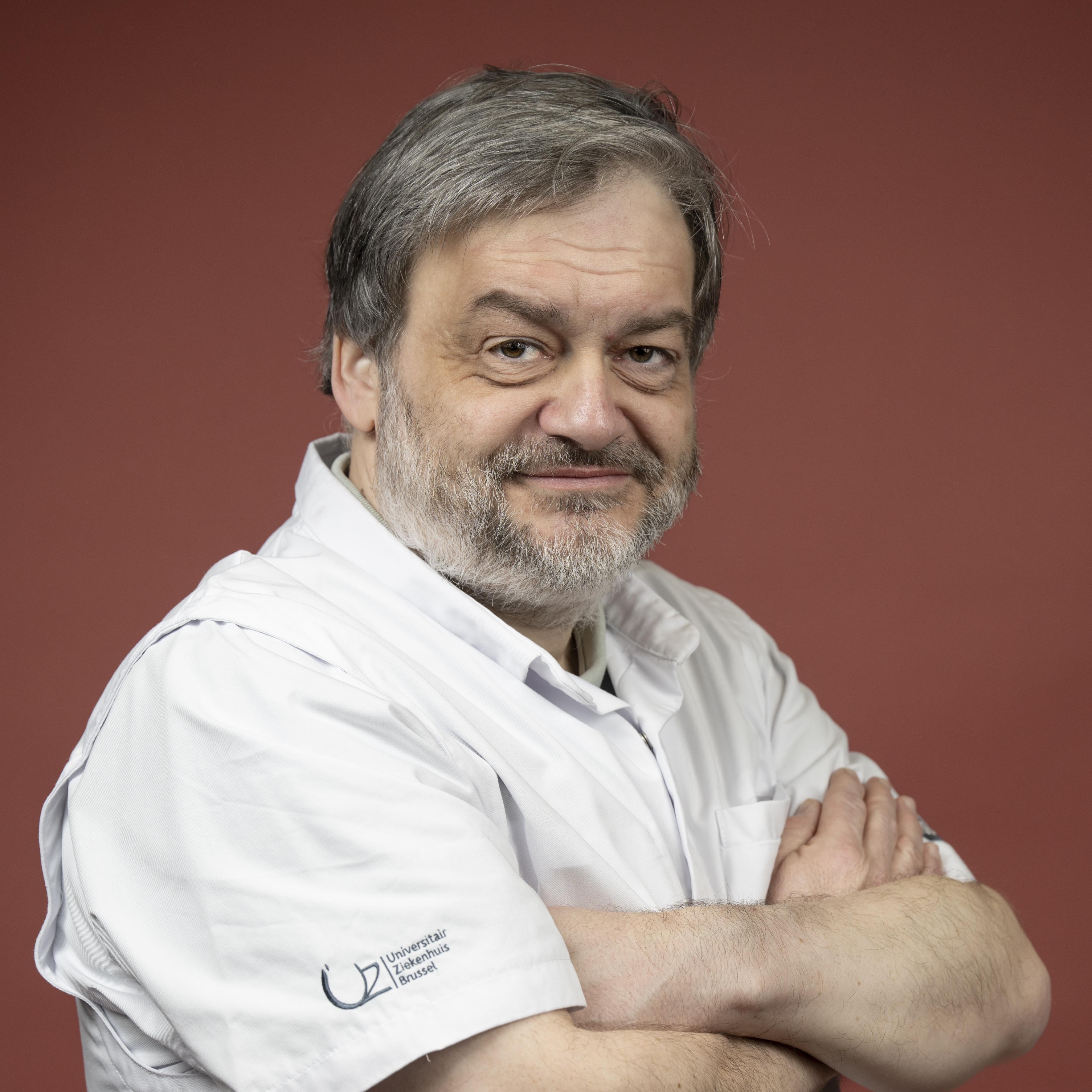
Guy Nagels
Senior advisor
Motivation Statement
I am good at asking questions that keep the executive board members on edge
Iris-Katharina Penner
Senior Advisor
Motivation Statement
With my clinical and scientific background and given my longlasting research career in the field of MS cognition and fatigue, I guess this fits best. I can also be part of a working group if the topic fits my profile or being the treasurer since coming from Switzerland :)
Michael Dwyer
Senior Advisor
Motivation Statement
I love the enthusiasm of this group and the tremendous potential for such multi-disciplinary interaction to make a real difference in MS research and clinical care.
Tjalf Ziemssen
Senior advisor
Motivation Statement
I would be delighted to contribute to the iAIMS Board as a Senior Advisor, bringing more than 25 years of experience in MS care, clinical research, digital medicine, and interdisciplinary collaboration. I am particularly motivated to support iAIMS in translating innovative ideas into meaningful improvements for people with MS. I would like to contribute strategic guidance, an international network, and experience in building patient-centred research and care structures. Equally important to me is supporting the next generation of MS researchers and clinicians and helping iAIMS develop into a sustainable, innovative, and collaborative global community.
Tom Fuchs
Clinical Liaison
Motivation Statement
As a physician scientist with uncommon technical expertise, I seek out opportunities to bridge physicians and scientists together. For instance, I actively publish articles in physician-facing magazines, and speak often in interviews for physician-facing media. I seek out these opportunities because I believe that physicians must be themselves at the table for conversations that drive the future of the field. Physicians are the gateway to patient care, yet need motivated communicators to engage them and lower the threshold for participation. I would be proud to act in this way for the future of AI in MS.